The DWTS Friendship Illusion: Why Some Casts Become Family While Others Ghost Each Other
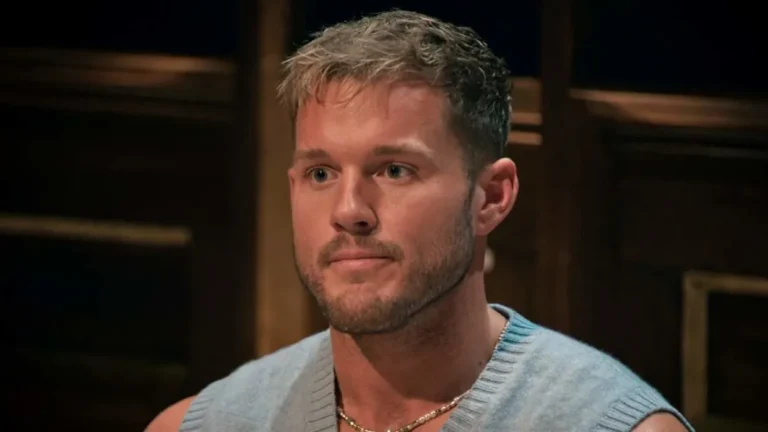
Harry Jowsey’s blunt confession on Danielle Fishel’s podcast struck a nerve because it exposed a truth many reality TV veterans know but rarely say out loud: the intense bonds formed under the bright lights of a show like Dancing with the Stars are often more fragile than they appear.

Never Miss Your Chance to Audition!
Join our WhatsApp Channel for exclusive casting calls and audition alerts!
Join NowJowsey, who competed on season 32, told Fishel that while the experience felt magical at the time — “Everyone was really lovely” — the relationships evaporated once the season ended. Texts went unanswered. Follows were quietly dropped.
Most painfully, when his father passed away in December 2024, almost no one from the cast reached out. Only pro Sasha Farber did. Jowsey’s takeaway? “I’m kind of glad I’m not friends with any of them.”
In stark contrast, Fishel — who danced on season 34 with Pasha Pashkov — described her castmates as “lifelong” family. She and Pasha’s family feel like extensions of her own.
The post-show tour allowed deeper connections with dancers like Val Chmerkovskiy, Jenna Johnson, and Ezra Sosa. Her young sons even bonded with the pros’ kids.
For Fishel, who joined the show after breast cancer treatment in search of joy, DWTS delivered lasting relationships along with the dance steps.
So why do some Dancing with the Stars casts form bonds that survive the spotlight, while others collapse the moment the next season’s promos drop?
The Reality TV Bubble Effect
Shows like DWTS create an artificial pressure cooker. Contestants and pros train for hours daily, share vulnerable moments, perform live under massive scrutiny, and experience the emotional rollercoaster of elimination together.
In that bubble, it feels like real friendship — because nothing else in life matters as much during those weeks.
But once the season ends and a new group of celebrities arrives, the shared intensity disappears. The “family” dynamic was situational, not foundational.
This pattern repeats across reality TV: Survivor alliances rarely last beyond the reunion special, Big Brother houseguests often drift apart, and many Bachelor friendships fade quickly too.
What Makes the Difference on DWTS?
Several factors seem to tip the scale:
- The Post-Show Tour — This appears to be a major separator. Fishel credited the tour with giving cast members time to bond beyond their individual partner pairings. On tour, they travel, rehearse, and perform together night after night without the weekly elimination pressure. Many lasting DWTS friendships are strengthened (or even born) on the road.
- Personal Mindset and Life Stage — Fishel entered the competition at 44, as a mother recovering from cancer, actively seeking joy and connection. She positioned herself as the “cast cheerleader,” a maternal presence supporting others. Jowsey, younger and coming from the Too Hot to Handle reality world, may have expected deeper loyalty that the group couldn’t sustain. Shared values, emotional maturity, and a willingness to invest after the cameras stop seem to matter enormously.
- Pro vs. Celebrity Dynamics — Friendships with professional dancers (like Fishel’s with the Pashkovs) often have a better chance of lasting because the pros return season after season and maintain a more stable “family” within the show. Celebrity-celebrity bonds can feel more competitive or fleeting.
- The New Season Reset — As Jowsey noted, the arrival of the next cast creates a natural social shift. Some people move on because the show itself encourages fresh storylines and new connections. It’s not always malice — it’s the nature of a revolving-door competition series.
The Harsh Reality Check
Jowsey’s disappointment, especially around his father’s death, highlights how painful the illusion can become. He believed the closeness was genuine; discovering it wasn’t felt like a betrayal.
Yet his ultimate stance — that he’s “glad” those relationships ended — shows growth. Sometimes the kindest thing reality TV teaches is who wasn’t really there for you.
Fishel’s warmer experience proves it doesn’t have to be that way. When contestants bring intentionality, when the show facilitates extended time together (like tours), and when people are in a life stage where they value real connection over clout, genuine friendships can emerge.
Dancing with the Stars sells the dream of transformation — not just learning to dance, but finding community. For some, like Danielle Fishel, it delivers. For others, like Harry Jowsey, it reveals the limits of TV-born bonds.
In the end, the mirrorball trophy may sparkle, but real friendship requires something the spotlight can’t manufacture: consistent effort long after the music stops.
What do you think — is the DWTS “family” mostly showbiz, or can it be real? Share your take below.