Red Flags or Cultural Clashes? Unpacking the Drama in Forrest and Sheena’s 90 Day Fiancé Story
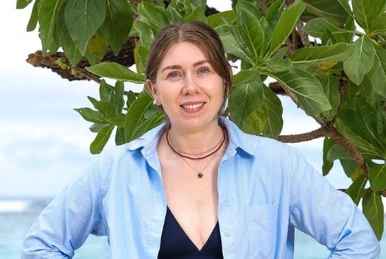
The latest season of 90 Day Fiancé: Before the 90 Days has introduced us to Forrest and Sheena, a couple whose seven-year virtual romance is as innovative as it is intense.

Never Miss Your Chance to Audition!
Join our WhatsApp Channel for exclusive casting calls and audition alerts!
Join NowWhile their story shares the franchise’s signature blend of cross-cultural love and potential pitfalls, it stands out for its heavy reliance on technology and family involvement.
But beneath the surface of their 24/7 connected life lies a web of financial discrepancies, familial pressures, and trust issues that have viewers questioning if this is true love or a recipe for heartbreak. Let’s dive into the cultural nuances and red flags shaping their journey.
The Tech-Savvy Setup: A Modern Twist on Long-Distance Love
Forrest, an Oregon native, has transformed his home into a smart haven with constant camera access for Sheena in the Philippines. This setup allows her to “watch over” him around the clock, even adjusting his schedule to match Filipino time.
It’s a far cry from typical online dating, more akin to a shared virtual reality. Forrest credits this for making him feel safer and strengthening their bond, but it echoes controversial past couples like Brandan and Mary, where constant surveillance raised eyebrows about healthy boundaries.
What makes this angle fresh is the cultural lens: In the Philippines, family ties and communal living are paramount, often extending to financial support.
Sheena’s role as a vet tech supporting her parents highlights this, contrasting with Forrest’s unemployed status and expectations that she’ll handle visa costs.
Recent episodes reveal Sheena admitting to “stealing” money intended for their future—not once, but three times—to aid her family under pressure. Is this a scam, as Forrest’s mom Molly fears, or a clash of cultural priorities where family obligations trump personal savings?
Family Interference: Molly’s Protective Stance or Overreach?
No 90 Day story is complete without family drama, and Molly takes center stage here. Accompanying Forrest to the Philippines with his stepdad, she’s vocal about her suspicions, drawing parallels to Forrest’s past scam by an Indonesian ex.
The awkward adult shop outing to buy lingerie for Sheena has fans cringing, but it’s the latest revelations that amp up the tension: Sheena shared harsh texts from Molly demanding a breakup, laced with profanity and declarations of eternal distrust.
From a cultural perspective, American individualism clashes with Filipino collectivism. Reddit discussions point out that in the Philippines, poverty and family duties can force tough choices, like diverting funds, which might seem deceptive to Western eyes but are survival tactics.
Molly’s intervention could be seen as protective parenting or cultural insensitivity, potentially sabotaging the relationship before it fully blooms.
Trust Tested: Lies, Virginity Plans, and Future Hopes
Forrest’s reaction to Sheena’s confessions has been measured—he calls it “hardcore breakup-level stuff” but prefers peace and is still heading to the Philippines.
Adding intimacy to the mix, Forrest plans to lose his virginity during the visit, heightening the stakes. Yet, with visa hurdles looming (thanks to Forrest’s job situation) and ongoing money woes, their path is fraught.
Viewer opinions are divided: Some see genuine affection in their long-term commitment, while others flag the surveillance and lies as toxic. Forrest and Sheena have spoken about keeping the spark alive through tech, but real-life meetings often expose cracks in virtual romances.
Will Cultural Understanding Bridge the Gap?
Forrest and Sheena’s tale isn’t just about romance—it’s a mirror to how technology and culture intersect in modern relationships. While red flags like financial fibs and family meddling abound, they might stem from deeper cultural clashes rather than malice.
As the season unfolds, watch for whether empathy wins out or if the pressures prove too much. Tune into 90 Day Fiancé: Before the 90 Days on Discovery+ to see if this duo defies the odds.
What are your thoughts? Share in the comments below—do cultural differences excuse the drama, or are the red flags too glaring?