Miley Cyrus Exposes the Dark Reality of Fame in Raw, Candid Confessions
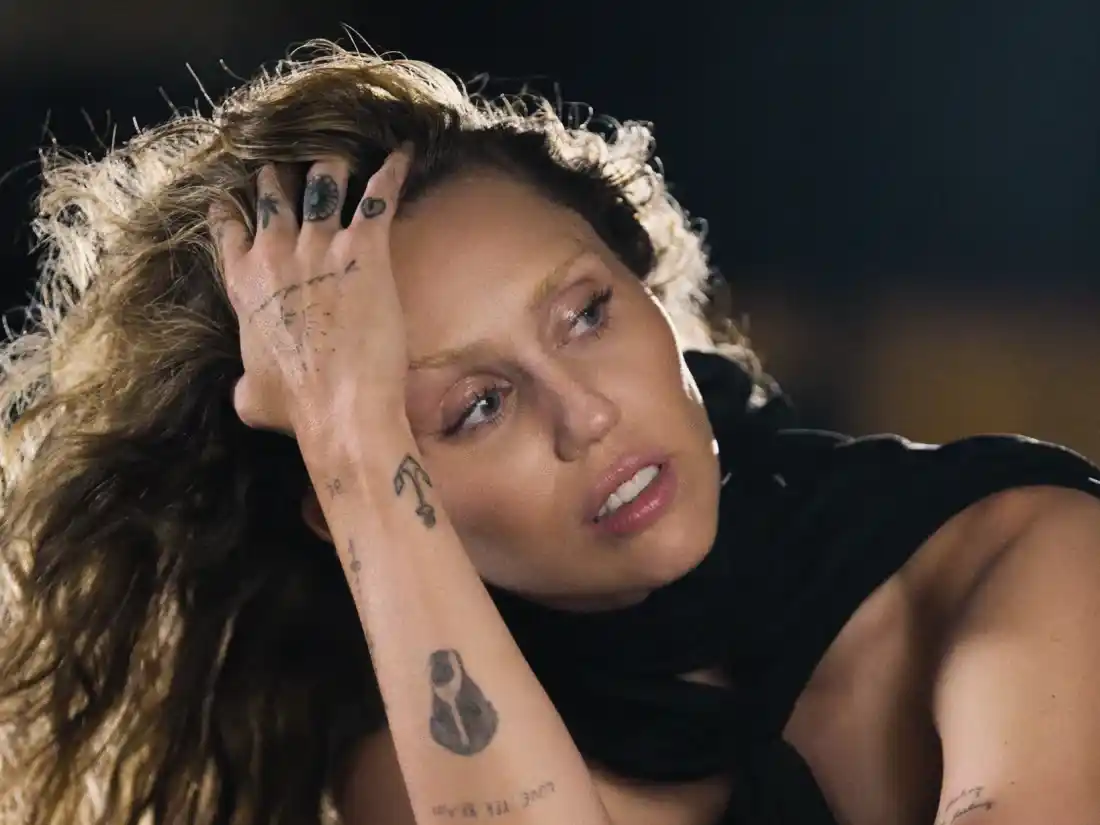
Miley Cyrus has never shied away from the spotlight, but in a series of powerful interviews tied to her 2025 visual album Something Beautiful, the Grammy-winning artist has laid bare the harsh toll of lifelong fame, sharing unflinching truths about mental health struggles, the addictive rush of adoration, and the isolation that comes with being a constant public figure.

Never Miss Your Chance to Audition!
Join our WhatsApp Channel for exclusive casting calls and audition alerts!
Join NowNow nearly two decades removed from her Hannah Montana days on Disney Channel, Cyrus has reflected deeply on how child stardom shaped—and sometimes scarred—her.
In an extended CBS Sunday Morning interview with Tracy Smith, she described the intense dopamine highs of performing for massive crowds followed by devastating crashes. “You have so many thousands of people screaming at you, so dopamine, you’re feeling a lot of love,” she explained.
“And then you totally crash at the end of the show, and you start thinking that one person loving you is not enough, it needs to be 10,000, it needs to be 80,000.”
She emphasized how this cycle makes maintaining sobriety and emotional stability especially challenging on the road, a key reason she has avoided major touring in recent years.
Cyrus has been open about the identity crisis tied to her early Disney persona. The manufactured image of Hannah Montana left her feeling worthless without the character, a belief she says was “drilled into my head” by industry pressures.
This fueled years of rebellion, reinvention, and public scrutiny as she fought to define herself beyond the role that launched her.
In a candid conversation on The Interview podcast and others, including appearances with Zane Lowe and on Reclaiming with Monica Lewinsky, Cyrus discussed how therapy has been transformative in processing rage, shame, and complicated feelings about stardom.
She described fame as both a blessing and a burden, noting the “dark decade” involving family estrangement, personal excesses, and the constant need for validation. She admitted to past coping mechanisms, including heavy substance use during creative periods, and how sobriety has helped her reclaim stability.
Her latest project, Something Beautiful—released May 30, 2025, via Columbia Records and accompanied by a surreal visual film—serves as what Cyrus calls “medicine” for a “sick culture.”
The concept album, executive produced with collaborators like Shawn Everett and featuring contributions from her boyfriend Maxx Morando, blends experimental pop, horror-inspired aesthetics, and raw emotional depth.
She has described it as an attempt to find beauty in devastation, heartbreak, and the “nastiest times” of life, drawing inspiration from films like The Wall and Mandy.
Cyrus has expressed no fear of potentially stepping away from celebrity altogether. In interviews with outlets like NPR, Harper’s Bazaar, and The New York Times, she has mused about a future where the spotlight no longer defines her, prioritizing meaningful choices and personal well-being over endless visibility. “I’m not afraid” of that shift, she has stated, reflecting a hard-won maturity.
As conversations around child stardom, mental health in the entertainment industry, and the psychological costs of fame intensify, Cyrus’s willingness to speak openly has resonated widely. Fans and fellow artists have praised her for using her platform to advocate for therapy, sobriety, and authentic self-expression.
With Something Beautiful earning acclaim as one of her most introspective works yet, Miley Cyrus continues to evolve—proving that even in the glare of fame, vulnerability can be the most powerful form of strength.