John Hammond Dead at 83: Blues Legend’s Cause of Death and Legacy

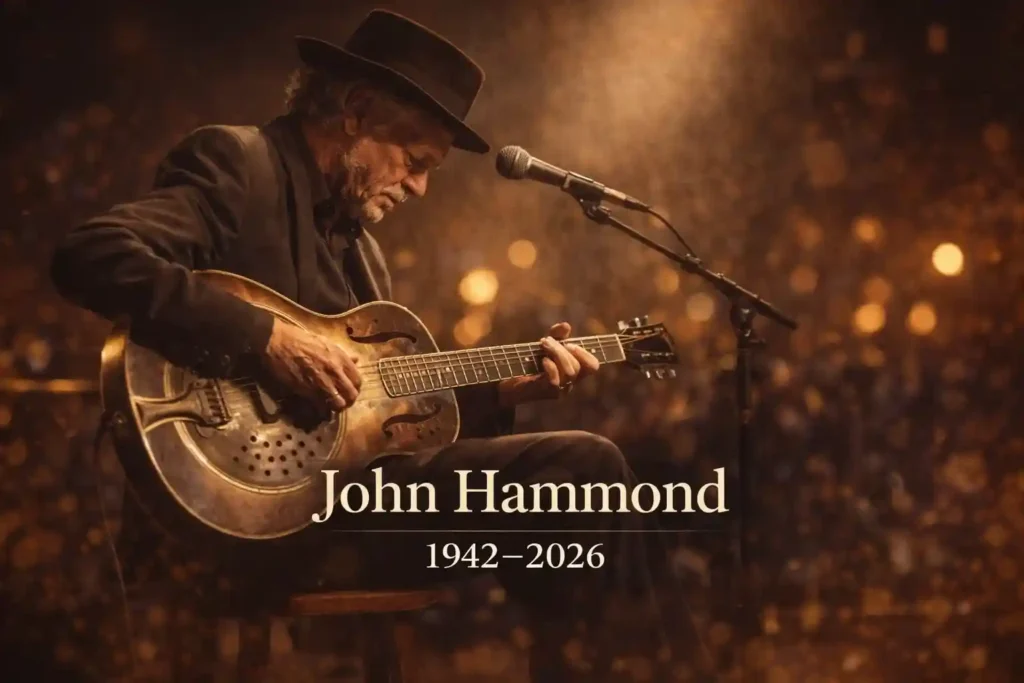
The blues world has lost one of its most dedicated and authentic voices. John Hammond (full name John Paul Hammond, often known as John Hammond Jr. or John P. Hammond), the influential American blues singer, guitarist, and harmonica player, passed away on February 28, 2026, at the age of 83.

Never Miss Your Chance to Audition!
Join our WhatsApp Channel for exclusive casting calls and audition alerts!
Join NowHammond’s death was confirmed by his longtime friend and collaborator, musician Paul James, who received the news from Hammond’s third wife, Marla Hammond.
The cause of death has not been officially disclosed by the family, though some reports and tributes mention cardiac arrest following recent health challenges. No specific location was provided in initial announcements.
Born on November 13, 1942, Hammond was the son of legendary Columbia Records producer John H. Hammond Sr., the talent scout behind artists like Billie Holiday, Bob Dylan, Aretha Franklin, and Bruce Springsteen.
Despite his privileged upbringing, the younger Hammond forged his own path in the raw, rootsy world of traditional blues, becoming a bridge between the Delta and Chicago styles and modern audiences.
Early Life and Breakthrough
Hammond discovered the blues in high school and immersed himself in the Greenwich Village folk-blues scene of the early 1960s. He dropped out of Antioch College to pursue music full-time.
In 1963, he signed with Vanguard Records and released his self-titled debut album—one of the earliest blues LPs by a white artist—featuring interpretations of classics by Muddy Waters, Robert Johnson, Lightnin’ Hopkins, and even Chuck Berry’s “Maybellene.”
His style remained fiercely committed to acoustic traditions: slide guitar (often on a resonator), raw vocals, and masterful harmonica work delivered with unfiltered passion.
A Six-Decade Career of Preservation and Performance
Over more than 60 years, Hammond released over 30 albums across labels like Vanguard and Rounder, staying true to pre-war Delta blues, Chicago electric influences, and barrelhouse piano styles (though he was best known for guitar and harmonica).
He was a frequent performer well into his later years, touring relentlessly and captivating audiences with his energetic, no-frills delivery.
Hammond earned multiple Grammy nominations and wins, induction into the Blues Hall of Fame, and widespread recognition as one of the most authentic interpreters of traditional blues. He helped keep the music alive for new generations during the folk revival and beyond.
Collaborations and Influence
Hammond shared stages and recordings with legends including Jimi Hendrix (in early sessions), Eric Clapton, John Lee Hooker, and many others. His work introduced traditional blues to rock audiences and influenced the blues-rock movement.
Peers like Jorma Kaukonen praised him as having a “nonpareil” voice and unmatched passion, while tributes from Colin James, eTown Radio, and others highlighted his kindness and dedication.
Personal Life and Legacy
Hammond is survived by his wife, Marla. In his later years, he continued performing despite health issues, always prioritizing the purity of the blues.
Immediate reactions flooded social media and music outlets, with fans and artists mourning the loss of a direct link to acoustic blues origins. As one tribute noted, he wasn’t just playing the blues—he lived it.
John Hammond’s recordings and live performances remain a testament to his lifelong mission. From his early Vanguard days to his final tours, he preserved and passed on the soul of the blues. Rest in peace, John—your music endures.
Explore his discography on streaming platforms, visit johnhammond.com for more, or revisit classics like his takes on Robert Johnson standards. The blues lost a giant, but the tradition he championed lives on.