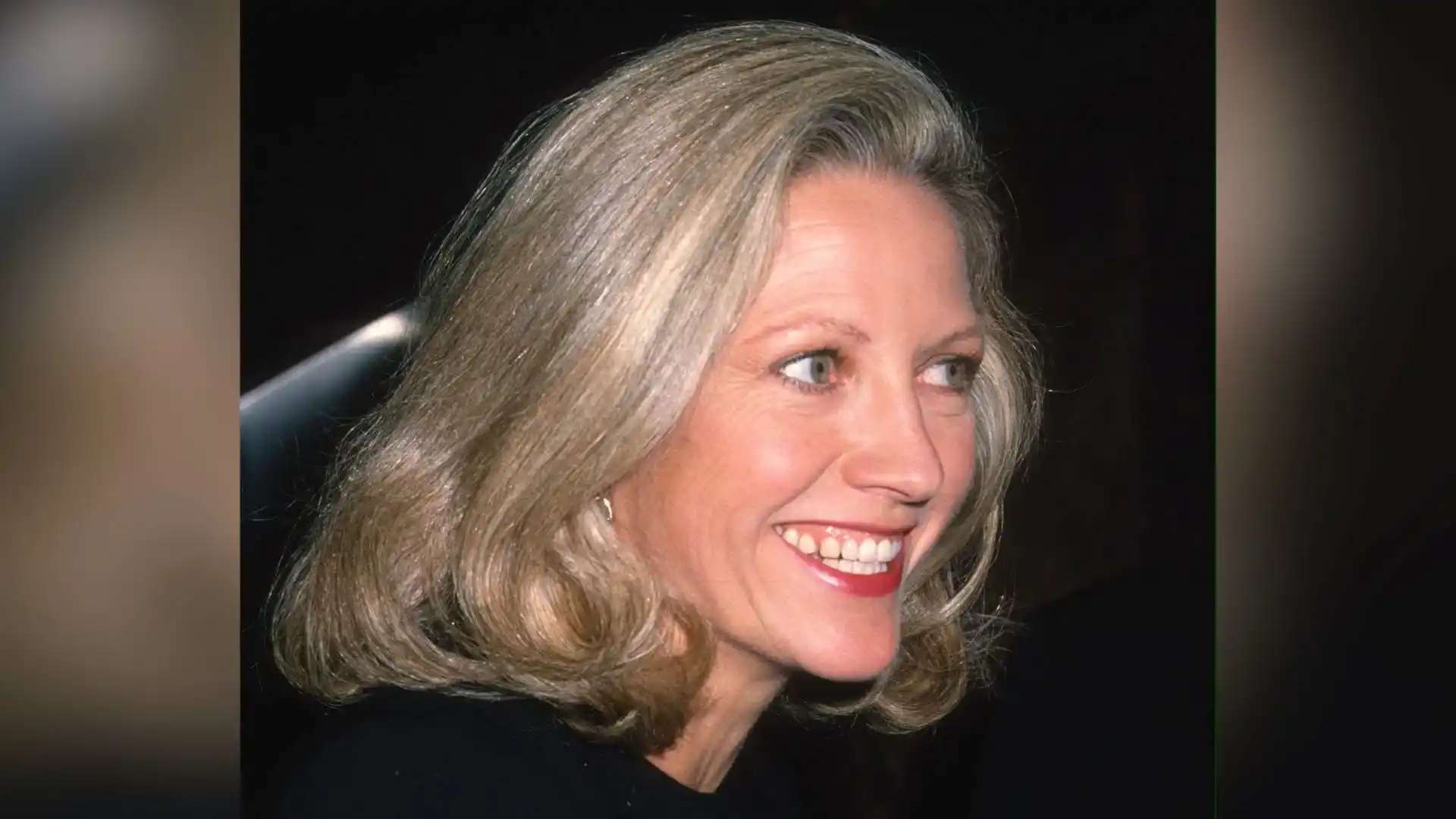
From Fiction to Fracture: How Anna Murdoch’s Novel Became the Blueprint for Her Family’s $3.3 Billion Succession War
In the late 1980s, while Rupert Murdoch was aggressively expanding his global media empire, his then-wife Anna Murdoch penned a novel that would later seem almost eerily prophetic.

Never Miss Your Chance to Audition!
Join our WhatsApp Channel for exclusive casting calls and audition alerts!
Join NowPublished in 1988, Family Business follows Yarrow McLean, a determined matriarch who builds a powerful newspaper and telecommunications network from the 1920s onward.
The story intertwines corporate battles, historical events like the Depression and Vietnam, and personal drama—including a long affair—but its most striking element is the family’s unraveling over succession. Yarrow’s three children, each with claims to the empire, descend into rivalry and division when power and money fracture their bonds.
Anna herself described the book as a warning about how “power and money can actually affect sibling relationships,” creating “little fiefdoms” where family members argue endlessly.
In interviews, she positioned it as subtle advice to her husband: unchecked ambition and unclear inheritance could lead to heartbreak.
The Prophetic Parallels Emerge
Fast-forward to the 2020s, and those fictional fractures became reality. The Murdoch family—owners of Fox Corp., News Corp., Fox News, The Wall Street Journal, and more—engaged in a high-stakes legal battle over the family trust.
Rupert Murdoch, approaching his mid-90s, sought to amend the “irrevocable” trust (established during his 1999 divorce from Anna) to favor his eldest son, Lachlan, and preserve the empire’s conservative direction.
The trust had given equal voting rights to Rupert’s four eldest children after his death: Prudence (from his first marriage), Elisabeth, Lachlan, and James (from his marriage to Anna).
Anna had pushed for this structure to protect her children from the competitive pitting she had witnessed under Rupert. In a 2001 interview, she said bluntly that she’d prefer “none of them” take over, fearing “a lot of heartbreak and hardship.”
The 2024-2025 Nevada court fight saw Rupert and Lachlan initially lose their bid to change the terms, but it forced negotiations. In September 2025, the family reached a $3.3 billion settlement.
Lachlan secured full control of News Corp and Fox Corp until at least 2050 through a new trust benefiting him, along with half-sisters Grace and Chloe (from Rupert’s third marriage to Wendi Deng). Prudence, Elisabeth, and James each received approximately $1.1 billion buyouts, exiting the controlling structure and marking a permanent fracture.
Anna’s Role as Matriarch and Cassandra
Anna Murdoch (later Murdoch-Mann after remarriages to William Mann and Ashton dePeyster) was far more than a novelist or ex-wife.
A journalist, philanthropist, and former News Corp board member, she authored three novels, with Family Business drawing thinly veiled inspiration from Rupert’s real takeovers, like the 1960s acquisition of the News of the World.
During their 31-year marriage, she was an “active partner” in building the empire while raising their children. Yet she grew concerned about Rupert’s style of fostering rivalry among the siblings to keep them sharp.
The trust she negotiated in the 1999 divorce was her safeguard—ensuring equality and shared decision-making post-Rupert to prevent the “tears” she depicted in her book.
Netflix’s Dynasty: The Murdochs, a four-episode docuseries released March 13, 2026, amplifies this narrative. Drawing on private documents, emails, and texts, it portrays Anna as a prescient figure—a “Cassandra” whose warnings about succession went unheeded.
Clips show her discussing the novel as advice to Rupert: no good would come from ambiguity or favoritism.
A Poignant Close After Anna’s Passing
Anna passed away on February 17, 2026, at age 81 in Palm Beach, Florida, after a long illness, surrounded by family. Her death came just weeks before the docuseries debuted, adding emotional weight to its reflections on her influence.
Today, Lachlan holds unchallenged reins, but the cost was steep: estranged siblings, billions in payouts, and questions about long-term stability. The empire endures, yet the human toll echoes Anna’s fiction—siblings divided by inheritance, power overshadowing kinship.
In the end, Family Business wasn’t just a novel. It was a blueprint the family followed, almost unwittingly, to its costly conclusion. Anna saw the fracture coming decades ago. The headlines proved her right.