From Solo Stars to Group Survivors: Which Australian Idol 2026 Hopefuls Rose (or Fell) in the Trio Pressure Cooker?
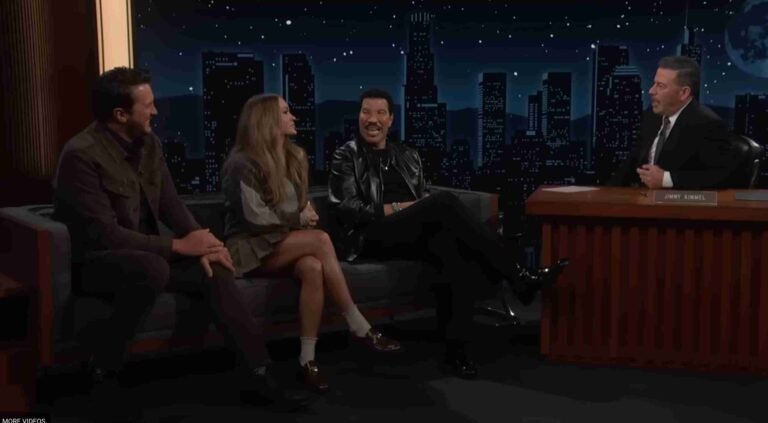
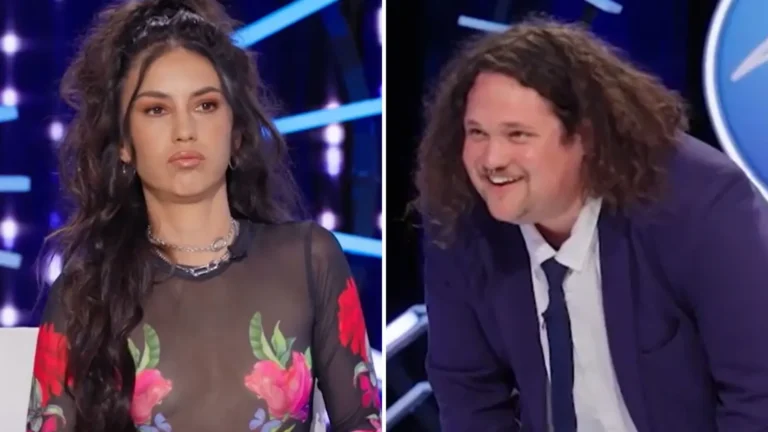
The February 24, 2026 episode of Australian Idol Season 11 marked a brutal turning point for the Top 30. After shining in solo auditions and the Chorus Line challenge the night before, contestants were thrust into the Overnight Challenge: randomly assigned to trios, given just hours to select, arrange, rehearse, and perform a song together. No more flying solo—this was about real collaboration, adaptability, leadership, and handling tension under the spotlight.

Never Miss Your Chance to Audition!
Join our WhatsApp Channel for exclusive casting calls and audition alerts!
Join NowJudges Kyle Sandilands, Marcia Hines, and Amy Shark pulled no punches, warning that vocal talent alone wouldn’t cut it. “This is where we see who can actually survive in the industry,” they stressed, with tensions flaring as egos clashed, breakthroughs emerged, and some hopefuls cracked.
The episode (streamable now on 7plus) tested stage presence and teamwork beyond pretty voices, setting the stage for culls toward the Top 21.
So, who rose as group MVPs, elevating their trios with chemistry and composure? Who fell short when the pressure cooker boiled over? Here’s the breakdown of the standouts, strugglers, and surprises from the trio challenge.
The Overnight Challenge: What Made It So Brutal?
Contestants were split into trios overnight, forced to compromise on song choice, harmonies, staging, and roles—all with minimal sleep and high stakes. Hosts Ricki-Lee and Scott Tweedie oversaw the chaos, while the judges dissected every dynamic.
This wasn’t just singing; it was a crash course in being a professional entertainer. Some trios delivered magic through support and synergy; others exposed cracks in communication and ego. The format proved why this season feels rawer and more revealing than ever—no free passes here.
The Risers: Solo Stars Who Became Group Game-Changers
These contestants didn’t just survive the trio format—they thrived, showing flexibility, leadership, and the ability to lift their teammates.
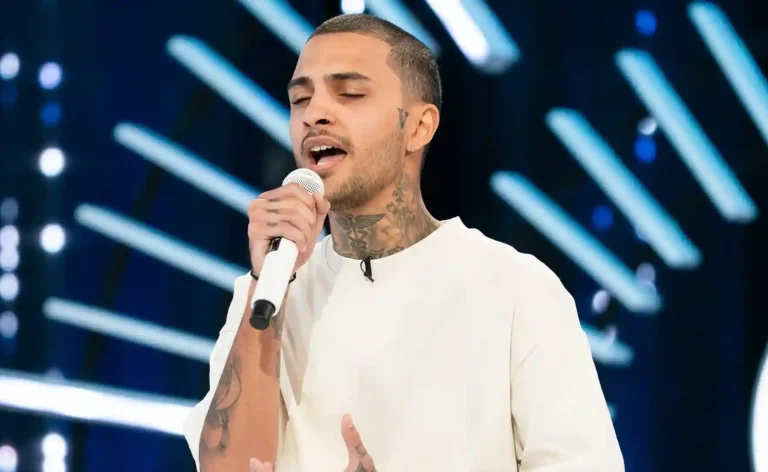
- Asher Iyer (16, Brisbane, QLD): The young hip-hop talent, who redeemed himself after an early audition stumble, brought infectious energy and adaptability to his group. His rap-infused style meshed surprisingly well in collaboration, earning praise for keeping spirits high and adding edge without overpowering. Fans are already calling him a frontrunner—his youthful confidence turned potential chaos into a highlight.
- Eva Ilov (20, Brisbane, QLD): Blending soulful pop and R&B, Eva elevated every moment with emotional depth and versatility. Her delivery shone in harmonies and shared spotlight, proving she could support without fading. Judges noted her consistency under pressure—a true team player who made her trio sound bigger than the sum of its parts.
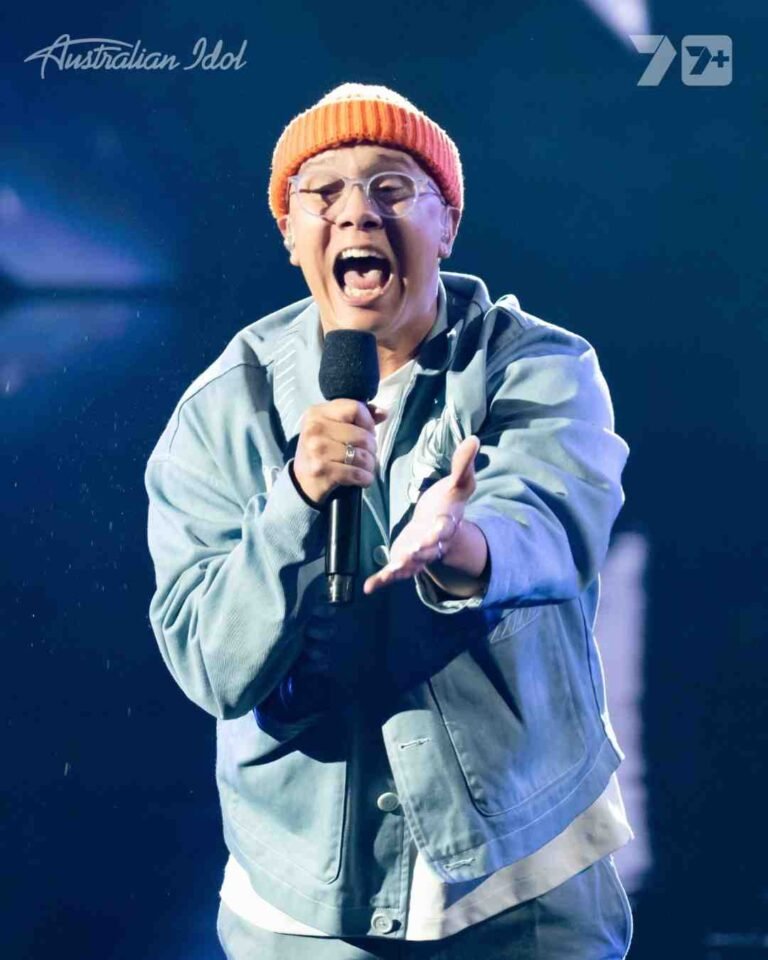
- Charlie Moon (31, Perth, WA): The heartfelt Perth singer, whose emotional audition already moved Kyle to tears, handled the overnight grind like a veteran. His powerful vocals anchored the group, while his composure and backstory-inspired empathy helped navigate tensions. He emerged as a steady, reliable force—proof maturity counts in group settings.
- Harlan Goode (18, Brisbane, QLD): Building on his strong Chorus Line performance (“Flowers”), Harlan’s confidence translated seamlessly to the trio. He showed strong presence and supportiveness, helping his group deliver a polished, engaging show.
- Harry Lamb (26, Ballarat, VIC): Demonstrating clear leadership (especially in high-energy moments like “Beggin'”-style vibes), Harry commanded the stage and guided his trio through rehearsals. His stage command and ability to rally others made him a standout survivor.
Others like Kalani Artis (Golden Ticket holder with raw vocal power) and Harriet Kenworthy (fresh style and teamwork) also rose, showing growth and chemistry that kept them safe.
The Strugglers: Talents Tested (and Sometimes Exposed) by Teamwork
Not everyone handled the shift from solo to group gracefully. The challenge revealed who relied too heavily on individual flair.
- Some faced “on notice” status or earlier exits due to ego clashes, poor communication, or inability to compromise—classic pressure-cooker pitfalls. For instance, Kahlia Henao (27, Western Sydney) was eliminated in the prior Chorus Line round, highlighting early vulnerability.
- Bubble cases like Cody James (20, Karratha, WA, another Golden Ticket recipient) were tested hard; group dynamics pushed his limits, leaving questions about adaptability despite strong upside.
- Fan favorites such as Jacinta Guirguis (25, Bacchus Marsh, VIC) showed promise but risked falling if their trio lacked fit—social buzz helped, but collaboration was the real judge.
Drama unfolded with tears, arguments, and judge interventions—real moments that separated dreamers from doers.
What It All Means for the Season
The Overnight Challenge stripped away the solo polish, forcing contestants to prove they’re ready for the industry’s team-oriented reality. It separated pure singers from true entertainers, with risers showing the flexibility and heart needed for live shows. Early vibes suggest strong favorites like Asher, Eva, and Charlie are on track for Top 21, while strugglers face an uphill battle in the final Top 30 round.
This season’s intensity has fans hooked—the format feels honest and high-stakes. Stream the episode on 7plus to see the trios in action, and stay tuned for the next episodes (likely March 1–2) revealing more eliminations and the official Top 21.
Who was your biggest riser or shock faller from the trio pressure cooker? Drop your thoughts below—who do you think has what it takes to win Australian Idol 2026?